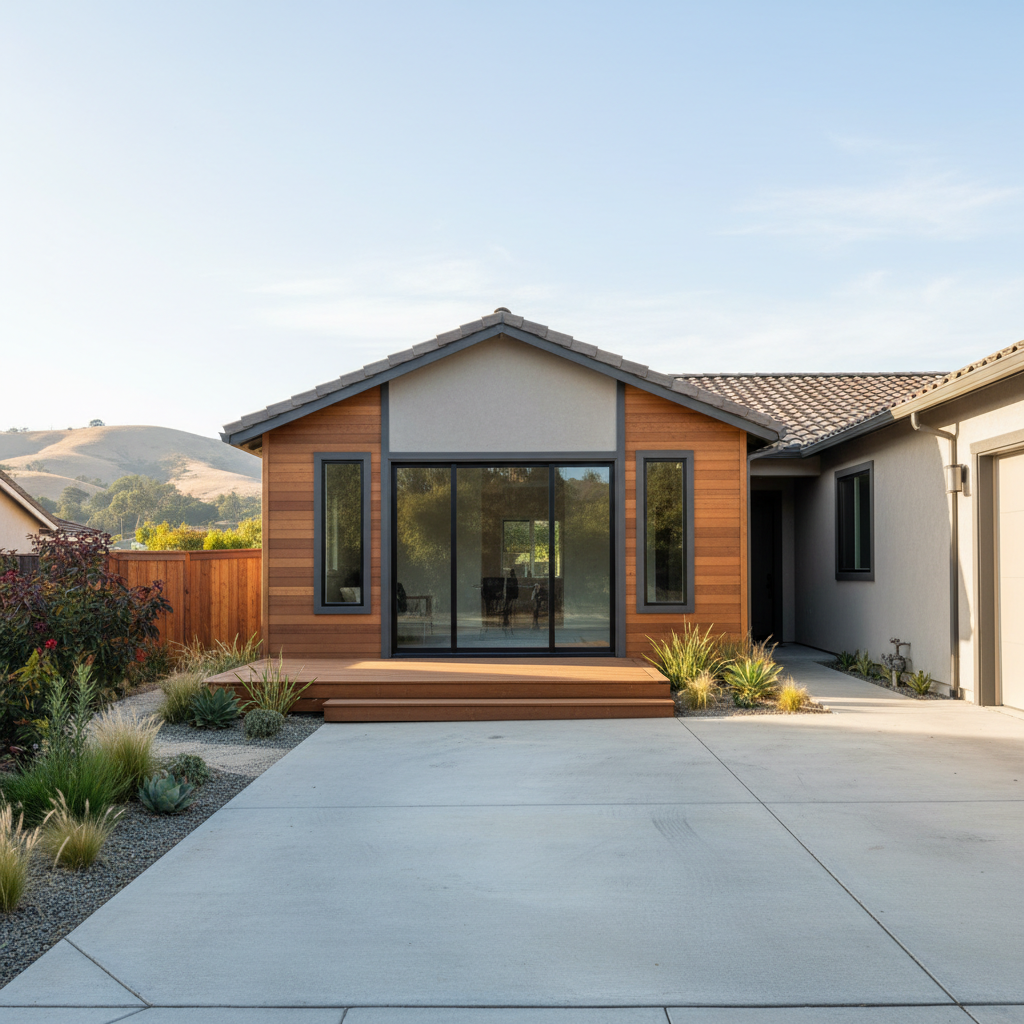
So, you're thinking about turning that dusty old garage into something really useful, right? Maybe an ADU, a home office, or even a guest suite. That's a smart move, especially with property values climbing here in Pleasanton. But hold on a second. Before you dive in, you really need a solid plan. I've seen countless projects like these over the years, and the ones that actually go smoothly? They all share one thing: good preparation.
Understanding Your Project Timeline
Let's talk timelines first, because honestly, that's usually the first thing people ask. How long is this going to take? Well, it's definitely not a weekend DIY job, I can tell you that much. A typical garage conversion, from the first design sketch to that final inspection, usually stretches anywhere from 6 to 12 months. Yeah, I know, that sounds like a long haul, but there are several distinct phases, and some of them just take more time than you'd expect.
- Design & Planning (1-3 months): This is where you team up with an architect or designer to get those plans drawn up. You'll hash out the layout, pick finishes, and nail down all the little details. Don't rush this part; a good design now saves you a lot of headaches later.
- Permitting (2-4 months): This phase is often the longest, and frankly, the most unpredictable. You send your plans off to the City of Pleasanton, and they scrutinize everything for code compliance. There's usually some back-and-forth, revisions, and sometimes you just wait for different departments to give their stamp of approval. Patience, my friend, is absolutely key here.
- Construction (3-6 months): Once those permits are finally in hand, the real work kicks off. This means demolition, maybe some foundation work (if it's needed), framing, plumbing, electrical, insulation, drywall, flooring – you get the picture, all the finish work too. Weather can definitely throw a wrench in things, especially during our wet winters here in the Tri-Valley, but generally, a good contractor keeps the project moving along.
- Inspections & Final Touches (2-4 weeks): Throughout construction, city inspectors will pop in to check different stages of the work. After everything's wrapped up, you'll have one last final inspection, and then boom, you're ready to start enjoying your brand new space.
What to Expect During the Process
Expect some disruption, plain and simple. We're talking about construction, so there will be noise, dust, and workers on your property. If your garage is attached, you might even have some temporary utility interruptions, like water or power being shut off for a few hours while connections are made. We always try our best to minimize this, but it's just part of the deal, isn't it?
Communication is absolutely huge. Your contractor should be keeping you in the loop, letting you know what's coming next, and addressing any concerns you have. Don't ever be afraid to ask questions. This is your home, after all, and you deserve to know what's going on.
How to Prepare Your Home and Property
Before construction even starts, you've got some homework to do. First, clear out that garage completely. And I mean completely. Anything you want to keep needs to find a new home – storage, a shed, or another part of your house. Also, think about where workers will park and where materials will be stored. We'll need access, and sometimes that means a dumpster sitting in your driveway for a while.
If you have kids or pets, really think about how the construction zone might affect them. Safety is super important, so we'll secure the area, but it's smart to have a plan for keeping little ones and furry friends away from the active work site. Oh, and talk to your neighbors. Let them know what's happening and apologize in advance for any temporary inconvenience. A little heads-up goes a long way, trust me.
Questions to Ask Before Signing a Contract
This is where you really protect yourself and make sure you're picking the right partner for your project. Don't just look at the price tag. Ask these questions:
- Can you give me references from recent garage conversion projects? And then actually call them. Ask about how communication was, how they handled timelines, and what happened when issues popped up.
- Are you licensed and insured in California? This isn't negotiable. Ask for proof.
- What's included in the bid, and what's not? Get a super detailed breakdown. Are permits covered? What about utility hookups? Don't assume anything.
- What's your payment schedule like? Reputable contractors won't ask for a huge chunk of money upfront. Payments should be tied to completed work phases.
- How do you handle change orders? Changes happen, that's just life, but you need a clear process for how they're priced and approved.
- What's the estimated timeline, and what kinds of things could affect it? Get their honest assessment.
- Who will be my main point of contact throughout the project? You really need one person you can always go to with questions.
- What kind of warranty do you offer on your work?
Choosing the right contractor, like us at Pleasanton ADU Solutions, truly makes all the difference. We've been doing this for quite a while, and we know the ins and outs of getting these projects done right here in Pleasanton. Take your time, do your research, and you'll be enjoying your new space before you know it.