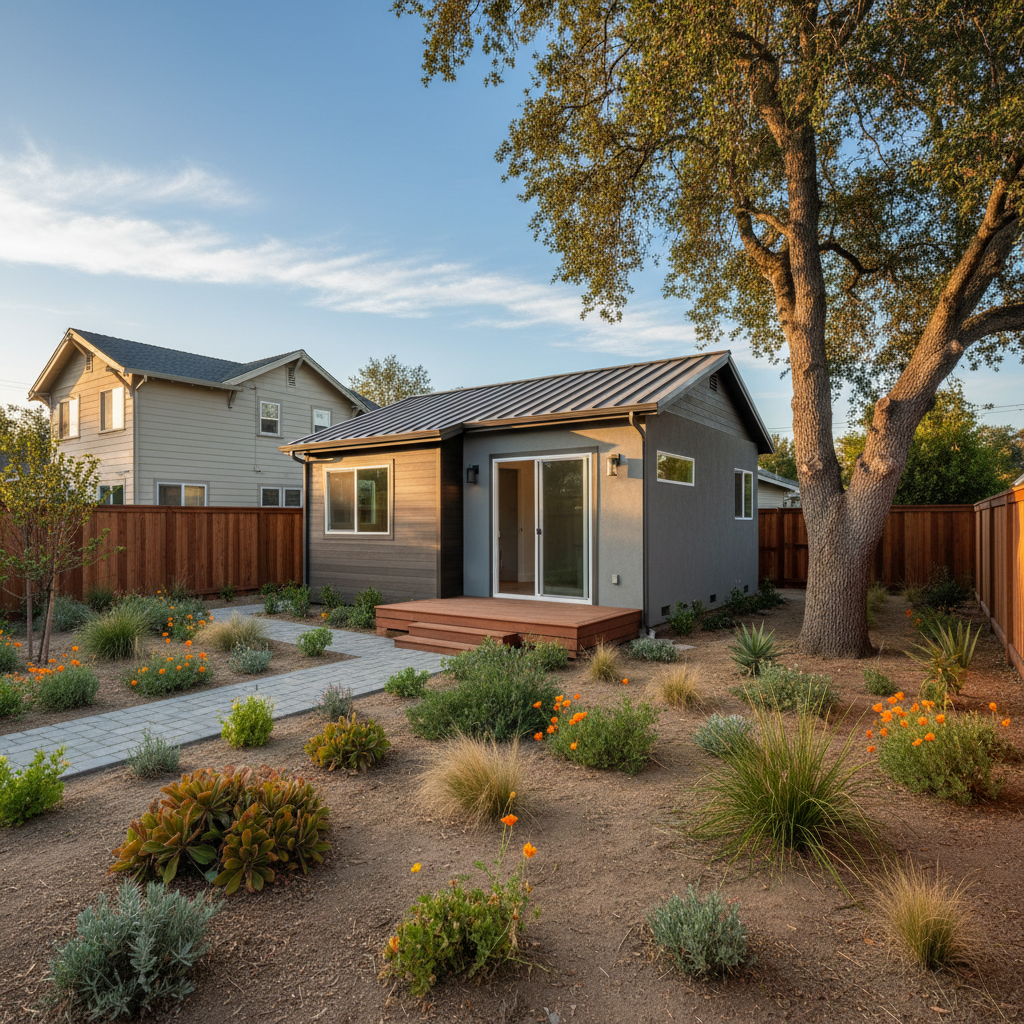
When's the best time to build an ADU here in Pleasanton? That's a question I get asked a lot, and it's not just about when you're personally ready to start. Our local weather, how busy the permit office gets, and even the kind of soil we have right here in the Tri-Valley can really affect how smoothly your project goes.
Figuring Out Pleasanton's Seasons for Your ADU Project
You know how our summers sizzle and our winters can dump some serious rain? That makes a huge difference when you're digging foundations and putting up framing. I've seen plenty of projects get stuck because people didn't really think about the seasons.
- Spring (March-May): This is often a really good time. The ground usually dries out nicely after winter, and temperatures are just right before the intense summer heat kicks in. It's perfect for pouring foundations and getting framing up. But, of course, everyone else thinks so too, so permit offices tend to get swamped.
- Summer (June-August): Hot, hot, hot. It's dry, which is good for construction, sure, but working outside in 90-100 degree weather is tough on the crew and can definitely slow things down. Concrete cures faster, but you also have to watch out for cracking. Plus, fire season is a real thing here, and while it doesn't stop building, it's something to keep in mind for everyone's safety.
- Fall (September-November): Another solid stretch. The heat finally breaks, and usually, the first big rains haven't arrived yet. If you can get your exterior sealed up before December, you're in great shape for winter.
- Winter (December-February): This is where things can get tricky. Rain, rain, and more rain. Trying to dig foundations in muddy conditions is a nightmare, and it can delay everything. You really don't want your framing sitting out getting soaked. If you're starting in winter, you'd better have a solid plan to protect your materials and manage all that water on site.
Permitting: When to Get That Paperwork Moving
Let's talk permits. The City of Pleasanton's planning department can get absolutely swamped, especially in spring and early fall when everyone's trying to kick off their projects. If you're aiming to start construction in spring, you really should be submitting your plans in late fall or early winter. That gives the city enough time to review everything, ask for any changes, and get you approved without a last-minute rush. I've seen homeowners wait until March to submit, then get totally frustrated when they can't break ground until June because of the backlog. It's all about getting ahead of the game, isn't it?
We specialize in this kind of planning at Pleasanton ADU Solutions. We know the local process inside and out, which helps us set realistic timelines for you.
How Weather Impacts Your ADU Build
Beyond just keeping the crew comfortable, weather directly affects both the quality of construction and the schedule. For example, the expansive clay soils we often find in places like the Birdland neighborhood can be a real pain if you don't handle them right during foundation work. Digging in wet clay is slow and messy, and if it dries out too fast, you can run into problems. We have to be extra careful with drainage and compacting the soil. Rain can also damage exposed lumber, cause delays in concrete pours, and make getting around the site a real challenge. On the flip side, extreme heat can change how quickly paint dries or how well certain adhesives stick.
Protecting Your ADU Investment Year-Round
Once your ADU is built, you want it to last, right? Our climate demands a few things:
- Drainage is Key: Make sure water flows away from your ADU's foundation. With our heavy winter rains, proper grading, gutters, and downspouts aren't just nice-to-haves; they're essential.
- Sealants and Paint: The sun here is brutal. Use high-quality exterior paints and sealants that can really stand up to all that UV exposure. Check them every year for cracks or peeling, especially on walls facing south.
- HVAC Maintenance: Your ADU's heating and cooling system will work hard. Get it serviced twice a year—once before summer and again before winter—to keep it running efficiently and avoid breakdowns.
- Fire Safety: We live in an area prone to wildfires. Keep vegetation clear around your ADU, especially during those dry summer and fall months. Think about fire-resistant landscaping and materials if you're in a higher-risk zone.
- Pest Control: Our mild winters mean pests don't really disappear. Keep an eye out for ants, spiders, and rodents, and seal up any tiny openings in the foundation or siding.
Building an ADU is a big investment, and planning for our specific Pleasanton climate right from the start makes a huge difference. Don't just think about the construction; think about the long haul. A little foresight goes a long way in making sure your new space is comfortable, durable, and truly adds value to your property for years to come.