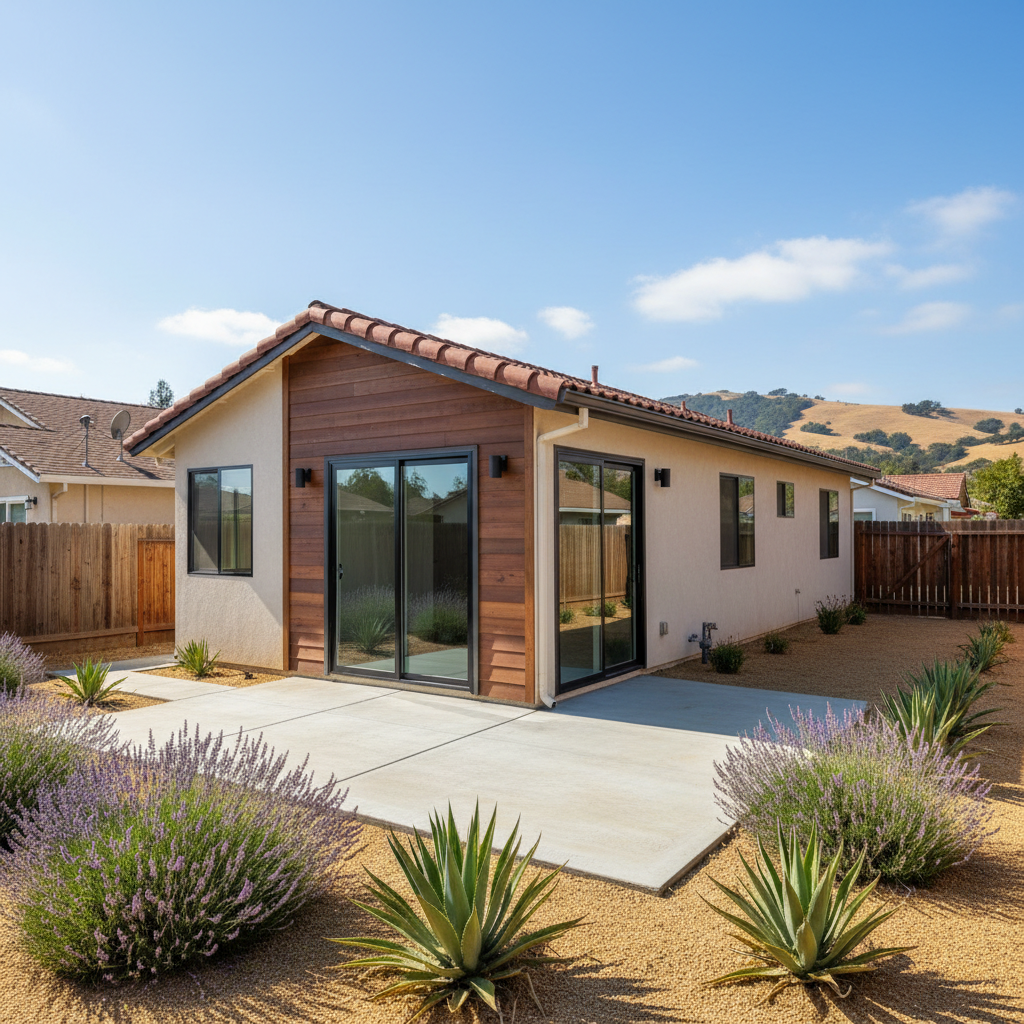
So, you're thinking about adding a Junior ADU (JADU) to your Pleasanton home. Good idea. They're a really smart way to boost your property's value, bring in some rental income, or just make space for family. And all this without the bigger footprint and higher cost of a full ADU. But let's be honest, the first thing everyone wonders is, "How much is this actually going to set me back?"
Forget those vague estimates you might have seen. I'm going to tell you what I've learned from actual projects, what makes these costs go up or down, and how you can avoid paying too much. This isn't just theory; it's based on real work right here in Pleasanton.
What Exactly IS a JADU? (Quick Look)
Before we dive into dollars and cents, let's just make sure we're all on the same page. A JADU is basically a smaller, self-contained living unit, usually up to 500 square feet, built inside an existing single-family home. It needs its own entrance, a kitchen (that means at least a cooking appliance, a sink, and a small fridge), and a bathroom. The big difference from a full ADU? It doesn't need its own separate utility meter, and it has to connect to the main house with an interior door. Picture converting part of your house — maybe a spare bedroom suite, a den, or even a section of your garage — into a small apartment.
The Main Things That Drive JADU Costs
You know how it is: every project has its own quirks. But some common threads really affect the final price tag for a JADU here in Pleasanton. These aren't just "it depends" factors; these are the details we zero in on when we're putting together a quote.
- Your Current Space: This is a huge one. Are we converting a spot that already has plumbing nearby, like a laundry room or a bathroom? Or do we have to run new water and sewer lines all the way across the house? The farther we have to extend those utilities, the more expensive it gets, plain and simple. If you're turning a bedroom right next to a bathroom into a JADU, that's way simpler than trying to convert a detached office.
- Kitchen & Bathroom Finishes: Here's where costs can really jump around. Are you okay with IKEA cabinets and standard fixtures, or are you dreaming of custom cabinetry, quartz countertops, and fancy tile? A basic kitchen can go in for $8,000-$12,000, while a more high-end one can easily hit $20,000-$30,000 or even more. The same applies to the bathroom, of course.
- Structural Changes: Most JADUs don't need major structural work, but sometimes they do. We might need to move a load-bearing wall, add a new exterior door, or beef up a floor for heavier appliances. Anytime you start messing with the actual bones of the house, costs will climb.
- Permitting & Design Fees: Don't forget these. You'll need architectural plans, maybe some engineering, and city permits. In Pleasanton, these fees alone can run from $5,000 to $15,000, depending on how complex the job is.
- Utility Upgrades: While JADUs don't need separate meters, you might have to upgrade your electrical panel to handle the extra load from a new kitchen and bathroom. Sometimes, the existing water heater just isn't big enough, or the main sewer line needs a little TLC.
- Site Conditions: This is less of a concern for internal conversions, but if you need to add a new exterior entrance, things like grading or dealing with the expansive clay soils we have around here can add unexpected costs if we don't plan for them properly.
What's a Realistic JADU Cost Range in Pleasanton?
Alright, let's talk actual numbers. Based on the projects we've completed and seen at Pleasanton ADU Solutions, here's a general idea of what you can expect:
- Basic JADU Conversion (250-350 sq ft): This is your no-frills option. Think existing plumbing nearby, simple finishes, very few structural changes. You're probably looking at a range of $80,000 to $120,000. This would cover a basic kitchen, a new or updated bathroom, flooring, paint, and all the necessary permits.
- Mid-Range JADU Conversion (350-500 sq ft): Most JADUs fall into this category. Maybe some new plumbing runs, nicer but not custom finishes, a few minor structural tweaks, and a good quality kitchen and bath. Expect to pay anywhere from $120,000 to $180,000.
- High-End/Complex JADU Conversion (up to 500 sq ft): This would involve more significant plumbing or electrical work, custom cabinetry, high-end appliances, luxury finishes, and possibly more involved structural modifications. For these, you could be looking at $180,000 to $250,000+.
These figures include design, permits, materials, and labor. Remember, these are ranges, and your specific project will land somewhere within them — or occasionally outside, if it's super simple or unusually complex.
What Should a Good Quote Include?
When you get a quote from a contractor, don't just stare at the bottom line. A good, clear quote will break down the costs so you know exactly what you're paying for. Here's what you should expect to see:
- Design & Permitting Fees: These should be clearly listed.
- Demolition: What exactly is being taken out.
- Framing: Any new walls or structural changes.
- Plumbing: New lines, fixtures, water heater.
- Electrical: New wiring, outlets, lighting, panel upgrades.
- HVAC: A mini-split system or connecting to your existing one.
- Insulation & Drywall: The usual stuff.
- Flooring: Material and installation costs.
- Kitchen: Cabinets, countertops, sink, basic appliances (or an allowance for them).
- Bathroom: Vanity, toilet, shower/tub, tile.
- Doors & Windows: A new exterior door, interior doors, any new windows.
- Paint: Interior and exterior (if it applies).
- Cleanup & Hauling: Often forgotten, but definitely important.
- Contingency: A smart contractor will usually build in a small contingency (5-10%) for unexpected issues, especially with older homes.
If a quote is just one big number, well, I'd suggest you walk away. You really need to understand where your money is going.
How to Avoid Overpaying for Your JADU
Nobody wants to get ripped off, right? Here's my advice for keeping your JADU costs in check:
- Be Clear on Your Vision (and Stick to It): Changes during construction are the biggest reason costs go up. Decide on your layout and finishes upfront and try not to change your mind.
- Get Multiple Bids: Always get at least three detailed quotes. This helps you compare apples to apples and understand the going rate for the work.
- Don't Automatically Go for the Lowest Bid: The cheapest bid often means corners are being cut, or they've missed something important. Look for value, transparency, and a contractor you actually trust.
- Consider DIY for Finishes (Carefully): If you're handy, you might save some money on things like painting or installing certain fixtures, but make sure it doesn't slow down the project or mess with the quality.
- Ask About Value Engineering: A good contractor can suggest different materials or methods that give you a similar look or function for less money, without sacrificing quality.
- Understand the Contract: Read every single line. Know what's included and what counts as an extra.
A JADU is a big investment, no doubt, but it usually pays off handsomely, especially in a market like Pleasanton. Do your homework, get solid quotes, and work with a reputable contractor. You'll be enjoying your new space — or collecting rent from it — sooner than you think, believe me.