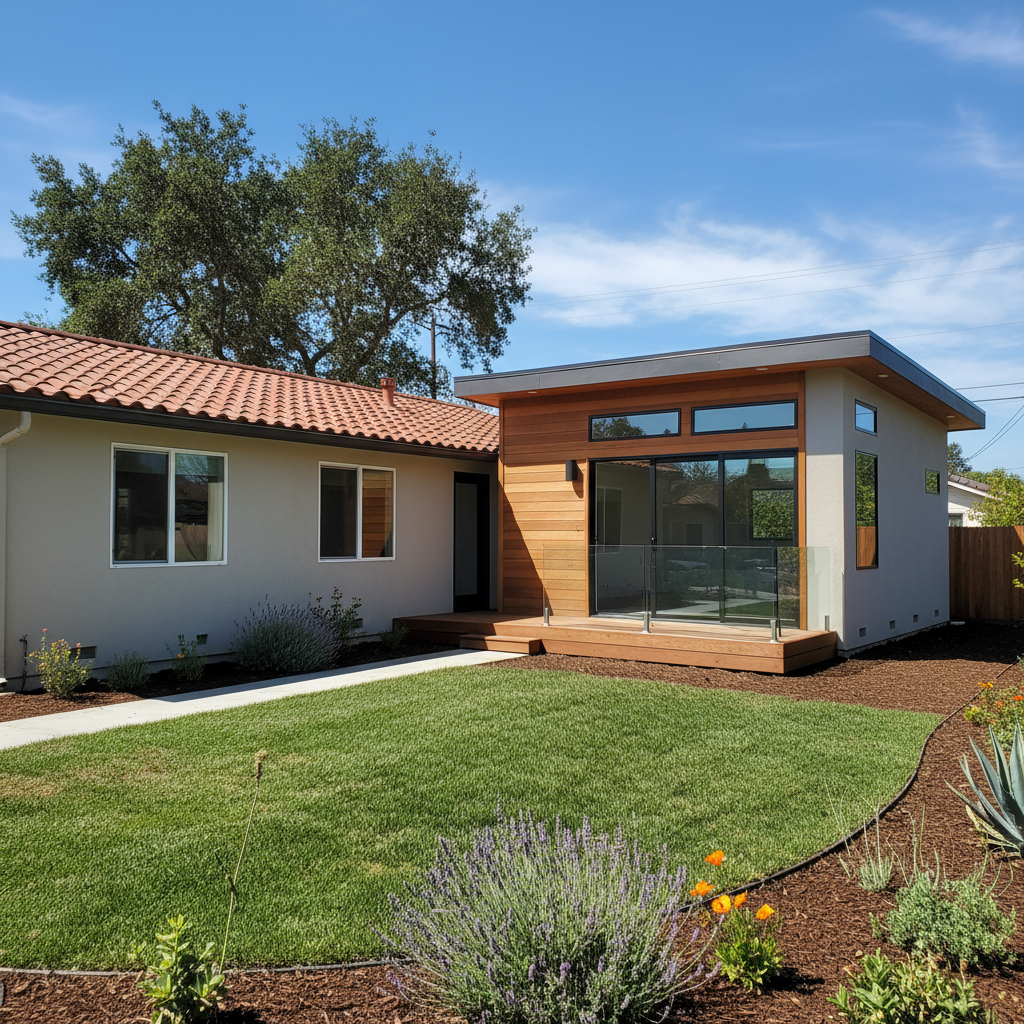
Alright, so you've decided to build an ADU here in Pleasanton. That's a smart move, no matter if it's for family, rental income, or just some extra space. But now comes the big question, doesn't it? Who's actually going to build it for you? Picking the right contractor isn't just about snagging a good price; it's about making sure the job gets done right, without a ton of stress. Believe me, I've seen plenty of projects go south because folks didn't really know what to look for. So, let's chat about how to hire an ADU contractor without, you know, pulling your hair out.
What to Ask Potential Contractors
When you're sitting down with a contractor, you really need to come prepared. This isn't just some friendly chat; it's an interview. You're hiring someone for a pretty big job, so don't be afraid to ask tough questions. Here are a few I'd definitely start with:
"How many ADUs have you actually built in Pleasanton or nearby?" You don't want someone learning on your dime, do you? Experience with local building codes is huge, especially for things like fire separation in attached units or those specific drainage requirements we sometimes run into with our clay soils. A contractor who knows the drill with the Pleasanton planning department? They're worth their weight in gold.
"Can I see your license and insurance?" Don't just ask for it; verify it. We'll get to that in a minute. They should have a current California CSLB license (usually a B-General Building Contractor for ADUs, by the way) and general liability insurance. Worker's comp is also super important if they have employees.
"Who will be my main point of contact, and how often will you communicate?" You need one person you can call, not a rotating cast of characters. And you need to know how they'll keep you in the loop – weekly calls, daily texts, whatever works best for both of you.
"What's your typical project timeline for an ADU of this size?" They should be able to give you a realistic range, from getting permits to that final inspection. If it sounds too fast, it probably is.
"How do you handle change orders?" Things happen, right? You might change your mind on a fixture, or we might uncover something unexpected during demolition. A good contractor will have a clear, written process for how changes affect both the schedule and the cost.
"Can you provide references from recent ADU clients?" And then, seriously, actually call them. Ask about communication, the quality of their work, whether they stuck to the budget, and how they handled any problems that popped up.
Decoding the Quote: What to Look For
You'll probably get a few quotes, and they'll likely all look a little different. Don't just compare the bottom line number. A cheap quote isn't always a good deal; often, it means corners are being cut or things are just plain missing. Here’s what a good quote really should include:
Detailed Scope of Work: It should clearly list everything they're doing, from site prep, foundation, framing, roofing, plumbing, electrical, HVAC, insulation, drywall, flooring, cabinets, fixtures, painting, and even the final cleanup. If something isn't listed, assume it's not included.
Allowances: For things like light fixtures, appliances, or specific finishes, they might include an 'allowance' – basically, a set amount of money. Make sure these allowances are realistic for what you actually want. If they're too low, you'll just be paying extra later.
Payment Schedule: This should be tied to project milestones, not just random dates. A small deposit upfront (usually 10% or $1,000, whichever is less, by California law) is normal, then payments as phases are completed (e.g., foundation, framing, rough-ins, drywall, completion).
Exclusions: What's NOT included? Landscaping, specific utility upgrades, or even permit fees might be excluded. You absolutely need to know this upfront.
Permit Responsibility: Who pulls the permits? It should almost always be the contractor. If they ask *you* to pull them, that's a huge red flag.
Watch Out for These Red Flags
Some things should just make you walk away, no questions asked.
Unlicensed or Uninsured: This is non-negotiable. If they don't have these, you're taking on massive legal and financial risk, pure and simple.
Demands for Large Upfront Payments: More than 10% or $1,000 (whichever is less) before work starts is actually illegal in California for home improvement contracts.
Cash-Only Deals: This just screams 'unlicensed' or 'tax evasion.' Don't do it.
High-Pressure Sales Tactics: "Sign today for a discount!" Good contractors are usually busy and don't need to pressure you into anything.
No Written Contract: Everything needs to be in writing. No handshake deals when it comes to an ADU.
Refusal to Provide References: If they can't or won't, that's just a bad sign.
How to Verify They're Legitimate
This part is easy and crucial. Seriously, don't skip it.
Check the CSLB Website: Go to the California Contractors State License Board website (cslb.ca.gov). You can search by license number or contractor name. Verify their license is active, in good standing, and that the name matches. Also, look for any disciplinary actions.
Verify Insurance: Ask for a Certificate of Insurance (COI) directly from their insurance carrier, not just a copy from the contractor. This proves the policy is active and actually covers your project.
Google Them: Look for online reviews (Yelp, Google, Houzz). Take them with a grain of salt, sure, but consistent patterns can tell you a lot.
Call References: I already said it, but it bears repeating. Ask specific questions about their experience.
Building an ADU is a significant investment. Taking the time to properly vet your contractor will save you money, stress, and headaches down the road. Here at Pleasanton ADU Solutions, we believe in transparency and doing things by the book, because that’s how you get a quality build. Don't settle for less, okay?