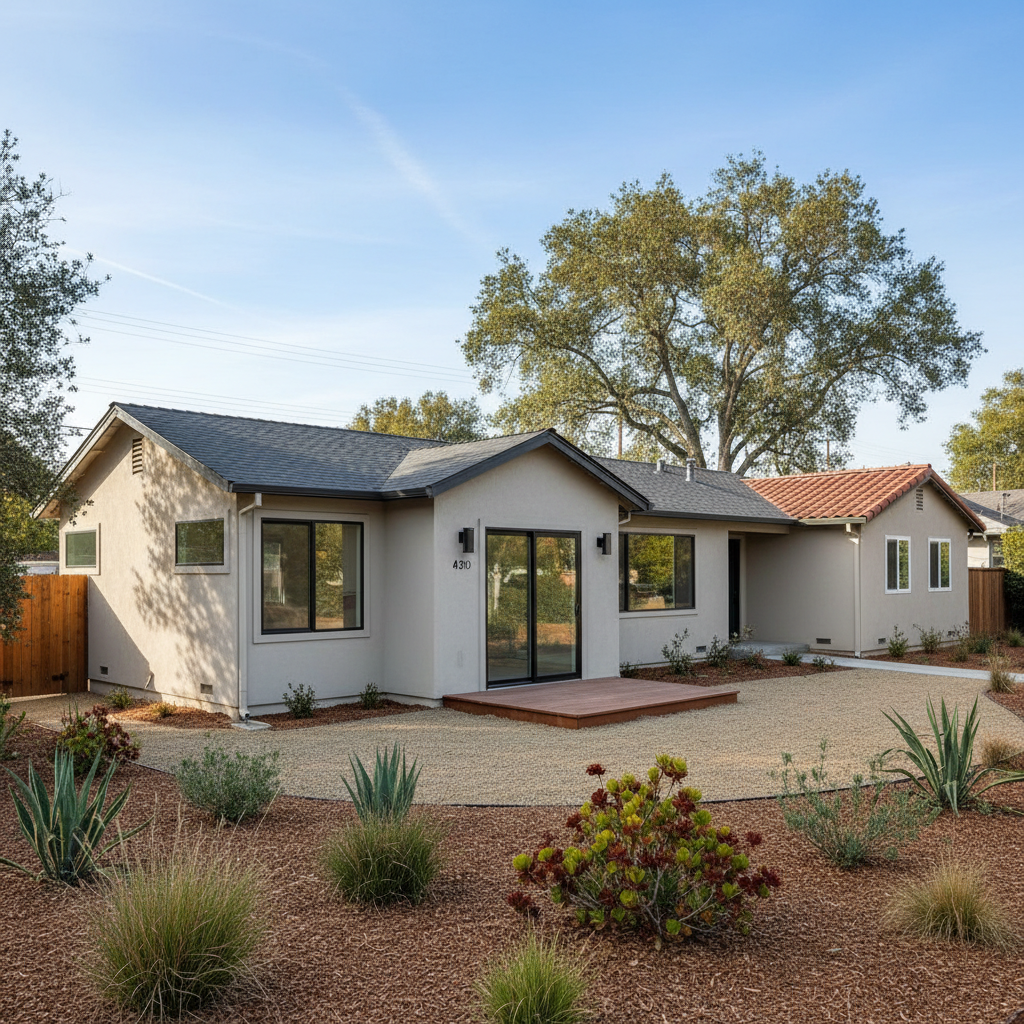
So, you've decided to build an ADU. That's a smart move for your Pleasanton property, whether you're thinking about family, rental income, or just need some extra space. But hold on a second! Before you dive in, you've really got to find the right contractor. This isn't like hiring someone for a quick paint job; an ADU is a pretty big investment, and you need someone who truly knows their stuff, especially with all the local rules and regulations we have around here.
What to Ask Potential ADU Contractors
When you sit down with a contractor, don't hold back. Remember, you're interviewing them, not the other way around. Here are some key questions I'd always recommend you put on your list:
- "How many ADUs have you built specifically in Pleasanton or other nearby East Bay cities?" This one's critical. Building an ADU isn't the same as, say, a kitchen remodel. There are specific state and local codes, setback rules, and design considerations that are unique to these smaller structures. Someone who's done a dozen ADUs in Fremont might still be figuring out the specifics for Pleasanton's zoning.
- "Can you walk me through your typical ADU project timeline, from permits all the way to completion?" You'll want to hear a clear, step-by-step process. If they're vague or just say, "Oh, it depends," that's a bit of a red flag, isn't it? They should have a good grasp on how long permitting usually takes with the City of Pleasanton, plus the construction phases and inspections.
- "Who will be my main contact person throughout the project?" You definitely don't want to get shuffled around. A good contractor will either assign you a dedicated project manager or be your direct contact themselves.
- "How do you handle change orders?" Things change, that's just how construction goes sometimes. You need to understand their process for documenting and pricing any changes to the original plan. It should be super transparent and, of course, in writing.
- "Can you give me references from recent ADU clients?" And don't just ask for them – actually call them! Ask about how communication went, if they stuck to the budget, the quality of the work, and how they dealt with any problems that popped up.
- "What kind of warranty do you offer on your work?" A reputable contractor stands behind what they build. Make sure you get all the warranty details in writing.
Decoding the Quote: What to Look For
Getting a quote isn't just about the final number. You really need to understand what you're paying for. A good quote should be detailed, not just a single, big figure.
- Line-Item Breakdown: A solid quote will list everything out: demolition, foundation, framing, plumbing, electrical, HVAC, roofing, drywall, flooring, cabinets, fixtures, painting, landscaping (if that's part of it), and all the permit fees. If it's just a lump sum, push them for more detail.
- Allowances vs. Fixed Costs: Pay close attention to "allowances." These are estimates for things like light fixtures, flooring, or appliances where you'll pick the specific items yourself. Just make sure those allowance amounts are realistic for your taste. If they're too low, you'll end up paying more out of pocket later on.
- Payment Schedule: This should be clearly spelled out. Typically, you'll have an initial deposit, then progress payments tied to specific milestones (like when the foundation's done, or after the framing inspection), and a final payment once everything's satisfactorily completed. Be wary of contractors who ask for a huge chunk of money upfront. In California, it's usually capped at 10% or $1,000, whichever is less, for residential projects.
- Inclusions and Exclusions: What's in the price? What's not? Are things like site prep, utility connections, and final cleanup part of the deal? You want to avoid any surprises.
Red Flags You Can't Ignore
Trust your gut feeling, but also keep an eye out for these concrete warning signs:
- High-Pressure Sales Tactics: "Sign today for a discount!" or "I can only hold this price for 24 hours!" A good contractor doesn't need to pressure you like that.
- Unusually Low Bids: If one bid comes in way lower than all the others, be super skeptical. They might be cutting corners, using cheap materials, or planning to hit you with a ton of change orders down the road.
- No Written Contract: Never, ever move forward without a detailed, written contract that both parties sign.
- Requests for Cash Payments Only: This is a huge red flag. It often means they're trying to avoid taxes or operate off the books, which leaves you with absolutely no recourse if something goes wrong.
- Lack of Professionalism: Poor communication, missed appointments, or not being able to answer basic questions are all bad signs.
- No Proof of Insurance: If they can't show you current certificates for general liability and workers' compensation insurance, walk away immediately. You could be held responsible for accidents on your property.
Verifying Legitimacy: Do Your Homework
Before you sign anything, do your due diligence. It only takes a few minutes, but it can save you a world of headaches.
- Check Their License: Head over to the California Contractors State License Board (CSLB) website (cslb.ca.gov). You can look up their license number to confirm it's active, what classifications they hold (you want a B-General Building Contractor for ADUs), and if there have been any disciplinary actions or complaints against them. Make sure the name on the license matches the business name, too.
- Verify Insurance: Ask for current Certificates of Insurance directly from their insurance providers, not just a copy from the contractor. Then, call those insurance companies to confirm the coverage is active.
- Online Reviews: Check Yelp, Google Reviews, Houzz, and other platforms. Look for patterns in reviews, both good and bad. A few negative reviews aren't necessarily a deal-breaker, but consistent complaints about communication, quality, or going over budget are definitely concerning.
- Local Presence: Do they have a local office or a strong reputation right here? While not absolutely mandatory, it can be a good sign. Here at Pleasanton ADU Solutions, we've built our reputation right here in the Tri-Valley, and we know the ins and outs of building on everything from the smaller lots in older parts of town to the larger properties in Ruby Hill.
Choosing an ADU contractor is a big decision. Take your time, ask the tough questions, and don't settle until you feel completely comfortable. It'll really pay off in the long run with a quality ADU that adds genuine value to your home.