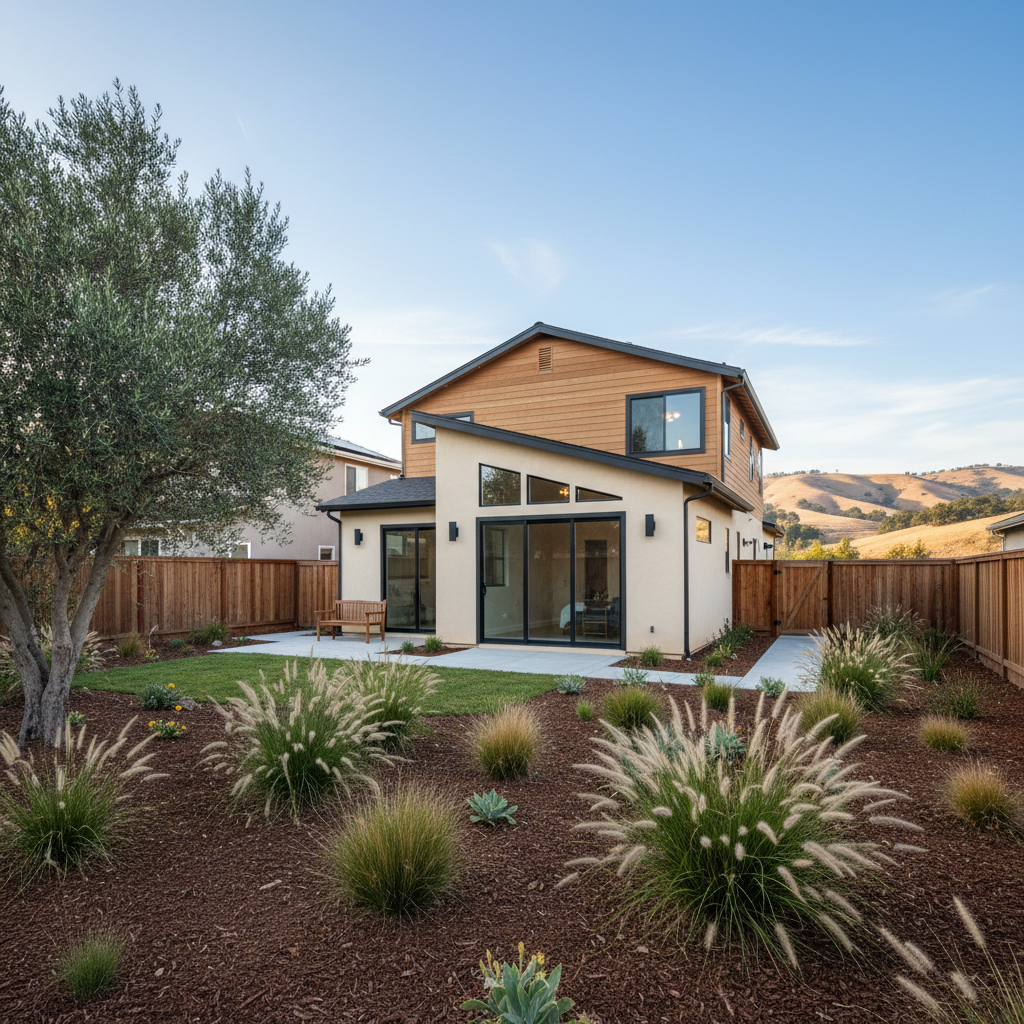
Thinking about building an attached Accessory Dwelling Unit (ADU) right here in Pleasanton? That's a really smart move for lots of homeowners. You're not just adding some extra square footage; you're actually boosting your property's value and making it more flexible. But let's be honest, our Bay Area weather, while mostly pretty nice, definitely has its quirks. When you're connecting a new structure directly to your main home, truly understanding those seasonal shifts isn't just a good idea — it's absolutely vital for a smooth project and an investment that will actually last.
Pleasanton's Climate: What It Means for Your Attached ADU
Pleasanton officially has what they call a Warm-Summer Mediterranean Climate. What that really boils down to for us folks on the ground is hot, dry summers and cool, wet winters. You'll see temperatures swing quite a bit, from an average high of 86°F in August, then dipping down to an average low of 41°F in January. Snow? Not really a thing here. But we certainly get our fair share of rain, especially from October through May.
For an attached ADU, this climate brings a few key things you absolutely need to think about:
- Summer Heat: Our summers can get pretty toasty, with July and August often hitting the mid-80s. This heat can mess with how fast materials cure, make workers pretty uncomfortable, and even slow down tasks like exterior painting or stucco application.
- Winter Rains: February usually brings the most rain, averaging 3.6 inches. Our rainy season actually stretches for about 7.3 months, from early October all the way to mid-May. That means managing moisture is super important during construction and for keeping everything protected long-term.
- Expansive Clay Soils: Lots of places in Pleasanton, especially neighborhoods like Valley Trails or Vintage Hills, sit on expansive clay soils. These soils really swell up when they get wet and then shrink when they dry out. This constant shrink-swell is a huge factor for foundations and anything tied into your main house, so watch out.
When to Schedule Your Attached ADU Project
You might automatically think summer's the best time to build because it's so dry, but that's not always the case, especially for the early planning and permitting stages. Here's my take:
- Winter (November - April): Start Planning & Permitting. This might sound a little backward, I know, but the rainy season is actually a fantastic time to get your project rolling. Why? Because the design, engineering, and permitting process can easily take months. By tackling these steps when the weather's no good for digging, you're getting a real head start. Contractors often have more availability during these slower months, and permit departments might not be as swamped. You definitely want to submit clean plans to the City of Pleasanton to avoid delays, and that just takes time.
- Spring (April - June): Break Ground. As the rains finally let up and temperatures get more comfortable, spring is perfect for site work and pouring the foundation. The ground isn't soaked, and you avoid the intense heat of mid-summer. This timing lets concrete cure properly without extreme temperatures messing with its strength.
- Summer (July - September): Construction & Finishing. Our long, dry, and mostly sunny summers are ideal for framing, roofing, and all those interior and exterior finishes. You'll have plenty of daylight hours, which means crews can work efficiently. Just keep an eye out for extreme heat waves – they can affect worker safety and how some materials get applied.
- Fall (October - November): Finishing Touches & Landscaping. If your project runs into fall, it's still a good window for interior work and getting those final inspections done. Landscaping can also be scheduled as the weather cools, making it easier for new plants to get established.
Weather Conditions That Affect the Work
Even with the best planning, weather just happens, right? Here's what we always keep an eye on:
- Heavy Rain: This is the big one. While a little rain won't hurt a framed structure (it's built to get wet, and don't worry about mold if it dries out properly before insulation and drywall go in), continuous downpours can stop foundation work, trenching, and exterior finishes like stucco or painting dead in their tracks. It can also turn our expansive clay soil around here into a real muddy mess, causing delays. We always tarp exposed materials and adjust schedules to keep things moving.
- Extreme Heat: Our Pleasanton summers can see multiple days over 90°F. This impacts worker safety and how much they can get done. It also affects things like concrete curing and the application of certain sealants or coatings. We schedule concrete pours for cooler parts of the day and make sure our crews get plenty of water and breaks.
- High Winds: While not as common, strong winds can be a concern during framing or roofing, creating safety risks and potentially damaging materials.
Protecting Your Attached ADU Investment Year-Round
Once your attached ADU is all built, you'll want to make sure it lasts for ages. Here are some year-round maintenance tips, which are extra important because it's connected to your main home:
- Drainage is King: This is absolutely critical, especially with our clay soils. Make sure your gutters are clean and downspouts direct water well away from both your main home and the ADU's foundation. Good grading around the foundation is essential to stop water from pooling. Water getting under the foundation can make those expansive soils swell up and really stress the structure.
- Sealant Checks: Every so often, check the spots where the ADU connects to your main home. Look for any cracks or gaps in sealants, flashing, and siding. Our hot summers and wet winters can make materials expand and contract, which leads to openings. Re-seal as needed to keep water out.
- Roof Maintenance: Clear leaves and debris from the roof and gutters regularly, especially before and after the rainy season. This stops water from backing up and causing leaks.
- Ventilation: Make sure there's good airflow, particularly in bathrooms and kitchens, to prevent moisture buildup that can lead to mold or mildew. This is true for any part of your home, but sometimes smaller ADU spaces can be more prone to it.
- Foundation Monitoring: Keep an eye out for any new cracks in the foundation or interior walls, especially after heavy rain or long dry spells. While tiny hairline cracks are often normal, larger or spreading cracks could signal soil movement problems. If you see anything concerning, it's definitely worth getting it checked out.
Building an attached ADU is a fantastic way to improve your Pleasanton property. By understanding our local climate and being proactive about both construction timing and year-round maintenance, you'll make sure your new space is a valuable and durable asset for years to come. That's what we aim for at Pleasanton ADU Solutions – building quality that truly lasts.